

95% of Us Aren’t Eating Enough Vegetables And It’s Costing Us More Than We Think
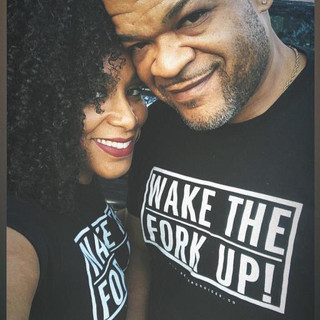
What low veggie intake means for your cravings, energy, hormones, and health plus 3 ways to build structure without another diet.

Let’s be real, when you hear “eat more vegetables,” your brain probably rolls its eyes.
We’ve been told this since we were kids. But here’s the reality we’re facing today:
🥦 95% of Black adults aren’t eating enough vegetables. And that’s not just a nutrition stat, it’s a health warning.
This one habit gap is connected to everything from low energy and constant cravings… to increased risk of high blood pressure, diabetes, and even worse menopause symptoms.
We don’t say this to scare you.We say it because you deserve to know why your health journey feels so hard.And more importantly, how to make it feel easier—with structure, not struggle.
🍽️ What Happens When You Don’t Eat Enough Vegetables?
Let’s break it down:
1. Cravings and Blood Sugar Spikes: Vegetables (especially the fiber-rich, non-starchy kind) help stabilize blood sugar.Without them, your meals digest faster… and you’re hungrier sooner.
More hunger = more cravings = more overeating. It’s a vicious cycle.
2. Increased Chronic Disease Risk: Low vegetable intake is linked to higher risk of:
Heart disease
Type 2 diabetes
High blood pressure
Obesity
Certain cancers
According to the CDC (2022), consistently eating low amounts of vegetables significantly increases these risks, especially among Black adults, who already face disproportionate rates of these conditions due to systemic and structural health inequities.
3. Worsened Menopause Symptoms: Here's where it gets personal for many of us. During perimenopause and menopause, hormone levels shift and what you eat matters even more.
Low fiber intake = poor estrogen detoxification.
Low antioxidants = more inflammation and oxidative stress.
Research shows that women who consume more vegetables, especially cruciferous ones like broccoli, kale, and Brussels sprouts, report fewer and less intense vasomotor symptoms like hot flashes and night sweats (Zhao et al., 2022; Kazemian et al., 2020).
🧠 So Why Don’t We Eat Enough?
It’s not that we don’t know vegetables are healthy. It’s that our lives often don’t make room for them.
Think about it:
Many of us grew up on canned corn and iceberg lettuce.
“A vegetable” meant overcooked greens with Sunday dinner, if it showed up at all.
Time, cost, and flavor fatigue make it easy to skip.
We’re juggling caregiving, jobs, stress and just trying to make it to the next meal.
We’ve coached hundreds of women who blamed themselves for not being disciplined enough. But the truth is, it was never about discipline. It was about structure. And once we gave them that structure, everything shifted.
✅ What You Gain By Eating More Veggies
Let’s not just talk about avoiding disease. Let’s talk about what you gain with more vegetables:
More fiber = fewer cravings + better digestion
More color = more vitamins + less inflammation
More volume = better portion control + satiety
More nutrients = better mood, hormone balance, and clarity
And yes, more structure = less stress around food.
💚 3 Small Shifts to Add More Veggies (Without a Diet)
You don’t need a 10-day detox. You need structure that fits your life. Here’s where to start:
1. Make One Veggie the Star of Your Sunday: Don’t try to overhaul the whole fridge. Just prep one vegetable you enjoy (seasoned how YOU like it) in bulk on Sunday.
→ Example: Roast a sheet pan of broccoli, peppers, and onions with garlic and Cajun seasoning.
2. Add, Don’t Subtract: Instead of cutting foods out, just add veggies in.
→ Mix greens into rice.
→ Add spinach to eggs or ramen.
→ Keep frozen veggie mixes on standby for busy nights.
3. Stop Waiting for Motivation. Build a Routine
Put it in your grocery list.
Assign veggies to specific meals.→
Ex: “Lunch = sandwich + cucumbers or carrot sticks.”
Repeat it until it’s second nature.
🌱 You Don’t Need Another Lecture. You Need Support
We know the stat is frustrating. We also know you’re not lazy or broken. You’re busy and overloaded. But you deserve better than burnout and blood pressure meds. Let’s build the structure you’ve been missing.
📲 Download the BetterChoices app for free recipes, meal ideas, and a support system that actually helps you stay consistent. We’re not just about veggies. We’re about building the life you actually want to live, one better choice at a time.
References
Centers for Disease Control and Prevention. (2022). State Indicator Report on Fruits and Vegetables.
Zhao, J., et al. (2022). Dietary patterns and menopausal symptoms: A systematic review. Maturitas, 155, 20–29.
Kazemian, A., et al. (2020). Effect of dietary intake on vasomotor symptoms of menopause: A systematic review. Climacteric, 23(5), 463–471.


Comments